WEEK 6: HUMAN TRAFFICKING
INTRODUCTION
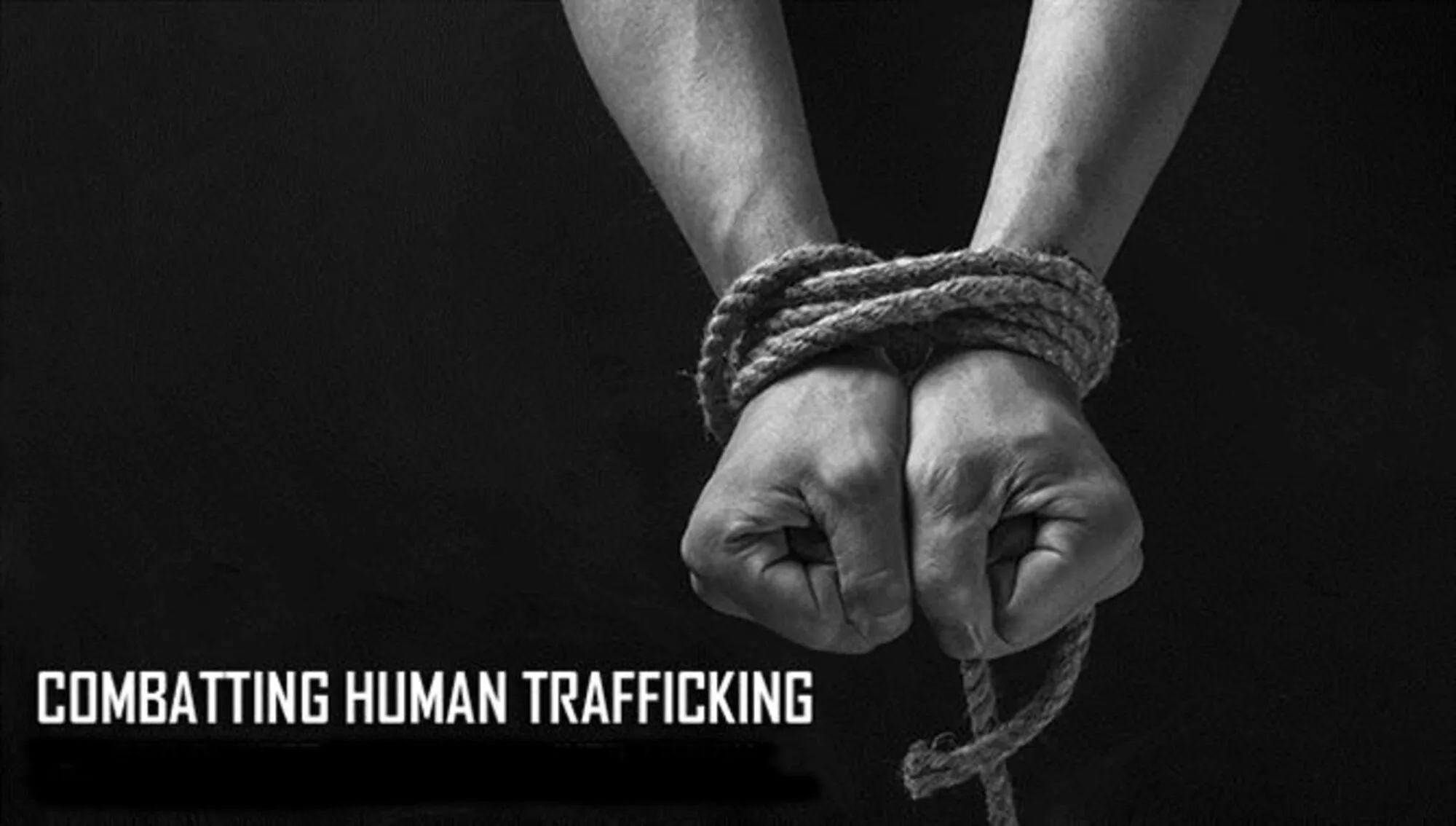
Human trafficking is the illegal act of recruiting, transporting, transferring, harbouring, or receiving people through force, deceit, or coercion for the purpose of exploitation. Victims are often promised good jobs, education, or a better life but are deceived and forced into slavery, prostitution, forced labour, or other inhumane conditions. It is a global crime and a violation of human rights, affecting both young and old, especially women and children.
Here's a powerful, symbolic split image addressing human trafficking:MEANING OF HUMAN TRAFFICKING
Human trafficking means the unlawful movement of people within or across borders for the purpose of exploiting them. It involves acts such as:
- False promises of job opportunities or education.
- Sale of people into forced marriage, child labour, or prostitution.
It is different from human smuggling because trafficking involves exploitation, not just transportation.
HEALTH IMPLICATIONS OF HUMAN TRAFFICKING ON VICTIMS
Human trafficking has severe effects on the health and well-being of victims. These effects can be:
-
Physical Health Problems
- Victims are often subjected to physical abuse, beatings, rape, and torture.
- They suffer injuries, broken bones, and sometimes permanent disabilities.
- They may be denied medical care, leading to untreated diseases and infections.
-
Sexual and Reproductive Health Issues
- Victims forced into prostitution are exposed to sexually transmitted infections (STIs) including HIV/AIDS.
- Early or forced pregnancy may occur, leading to complications.
- Lack of access to proper hygiene and reproductive health care.
-
Psychological and Emotional Problems
- Victims often experience depression, anxiety, trauma, and fear.
- Many develop post-traumatic stress disorder (PTSD).
- Loss of self-esteem, hopelessness, and suicidal thoughts are common.
-
Social and Educational Problems
- Victims are usually denied access to education, leading to illiteracy.
- They are isolated from family, friends, and community.
- Stigma and discrimination make reintegration into society difficult.
-
Economic Consequences
- Victims are exploited for free or cheap labour and earn little or no money.
- They remain in poverty and dependency.
EVALUATION
- Define human trafficking in your own words.
- State two differences between human trafficking and human smuggling.
- Mention four physical health problems faced by victims of human trafficking.
- Explain three emotional or psychological effects of trafficking on victims.
ASSIGNMENT
- Write five reasons why people become victims of human trafficking.
- List and explain four measures that can be taken to prevent human trafficking in Nigeria.
- Discuss the role of government and non-governmental organizations (NGOs) in supporting victims of human trafficking.

 REGIS INTERNATIONAL MONTESSORI SCHOOL