.
WEEK 4: THE CELL
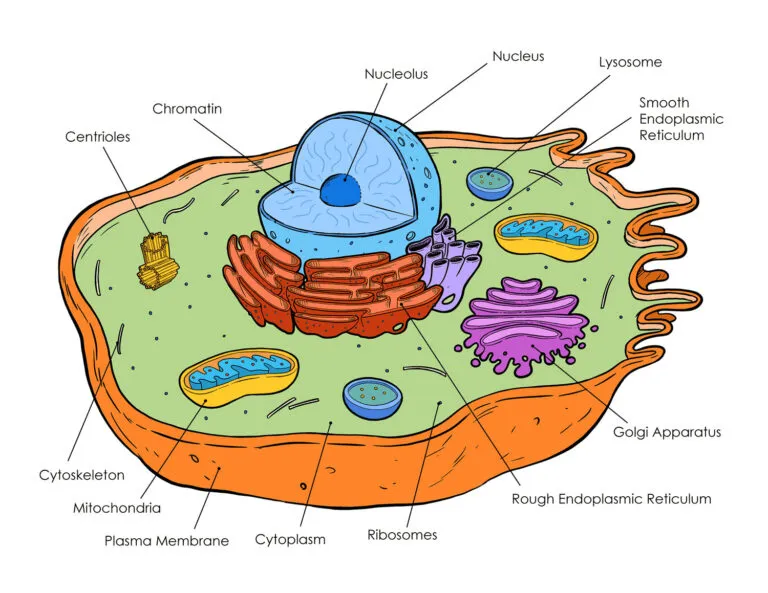
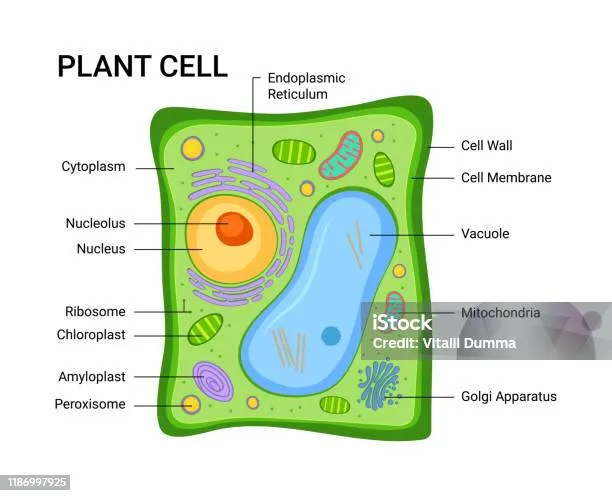
A cell is the basic structural and functional unit of all living organisms. It is the smallest unit of life that can carry out the fundamental processes necessary for an organism's existence. Cells can vary widely in structure, function, and size, but they share common features such as a cell membrane, genetic material (DNA or RNA), and the ability to undergo reproduction and metabolism. The diversity of cells contributes to the complexity and variety of living organisms.
Forms in which cells exist
Cells of living organisms exist in different forms, they include:
- Unicellular/single or free-living: Unicellular organisms consist of a single cell as their entire body. These organisms carry out all the necessary life processes within a single, microscopic cell. Examples of unicellular organisms include: Bacteria, Archaea, Protists, Yeasts.
- As colony: A colony of cells refers to a group of individual cells that live together but may not be structurally connected. Each cell in the colony is capable of functioning independently and carries out its own life processes. This is common in certain microorganisms. Examples include, Bacteria, Algae, Protozoa.
- As filament: Cells organized in filaments typically form a chain or thread-like structure, and this arrangement is commonly observed in certain types of organisms. Examples include: Cyanobacteria, Spirogyra (Green Algae), Streptomyces (Bacteria).
- As part of a living organism: Cells are the fundamental units of life and are organized into tissues, organs, and systems within living organisms. The following is an overview of how cells function as part of a multicellular organism:
Plants and Animal Cell
Structure of plants and animals cell
Plant and animal cells share similarities in basic structure but have key differences. Both contain a cell membrane, nucleus, and cytoplasm. Plant cells have a rigid cell wall and chloroplasts for photosynthesis, while animal cells lack these features. Animal cells may have centrioles, absent in most plant cells, aiding in cell division.
Function of the cell components
Cells have various components, each with specific functions:
- Cell Membrane: Regulates what enters and exits the cell, providing a protective barrier.
- Nucleus: Contains genetic material (DNA) and controls cellular activities.
- Cytoplasm: Gel-like substance where organelles are suspended and where many cellular processes occur.
- Endoplasmic Reticulum (ER): Rough ER synthesizes proteins, while smooth ER is involved in lipid synthesis and detoxification.
- Golgi apparatus: Modifies, packages, and transports proteins and lipids.
- Mitochondria: Generates energy through cellular respiration.
- Vacuole (in plant cells): Stores nutrients and waste products.
- Ribosomes: Synthesize proteins using information from the DNA.
- Lysosomes: Contain enzymes for digestion and waste removal.
- Cytoskeleton: Provides structural support and helps in cell movement.
- Centrioles (in animal cells): Aids in cell division.
SIMILARITIES AND DIFFERENCES BETWEEN PLANTS AND ANIMAL CELL
Similarities between plant and animal cells
Plants and animal cells share similarities in basic structures such as:
- The presence of a cell membrane, nucleus, and organelles like mitochondria and endoplasmic reticulum.
- Both cell types also have a similar genetic material, DNA, housed in the nucleus.
However, plant cells have unique features like a cell wall, chloroplasts for photosynthesis, and a large central vacuole, which are not present in animal cells.
Differences between plants and animals cell
The following are some major difference between plant and animal cells.
| Feature | Plant Cell | Animal Cell |
|---|
| Cell wall | Present (composed of cellulose) | Absent |
| Chloroplasts | Present (for photosynthesis) | Absent |
| Vacuoles | Large central vacuole | Smaller and fewer vacuoles |
| Shape | Fixed, often rectangular | Variable in shape |
| Lysosomes | Less common, may have similar structures | Common, present as true lysosomes |
| Centrioles | Usually absent | Present, involved in cell division |
| Motility structure | Typically absent | Cilia, flagella, or other motility structures |
| Nucleus position | Usually centrally located | Can be centrally or peripherally located |
Assignment
- Draw and label the following:
- Euglena and amoeba
- Chlamydomonas and Volvox
- Spirogyra

 REGIS INTERNATIONAL MONTESSORI SCHOOL